
Tendinopathy
REGENERATIVE TREATMENT FOR TENDINOPATHY IN LONDON
With a proven track record in regenerative medicine, you’re in safe hands.
Anybody who experiences tendinopathy will be aware that the pain and discomfort it can cause may be unrelenting. It is a condition that affects joints and tendons and it has symptoms that are similar to those caused by tendonosis and tendonitis. These symptoms can include burning pain, pro-longed soreness, and a reduced range of flexibility and motion.
Our tendons connect our bones and muscles, but if they become damaged due to collagen degeneration, inflammation, or injuries, it can greatly impact on our quality of life. Established treatments include anti-inflammatory drugs, steroid injections, and surgery. Research into the use of stem cells for the treatment of tedinopathy has also shown promising results.
Stem cell therapy is a relatively new discipline of regenerative medicine. Where there is an established medical need, a clinician may prescribe stem cell treatments for certain conditions within the UK, in accordance with regulation by the Human Tissue Authority.

DR KHAN SAYS
“Regenerative treatments are an option for people who may have already tried, or considered, conventional treatments. Research using stem cells with latest technology has shown promising results.”
DR TEE SAYS
“Stem cells are located throughout the body and act as natural healers. Studies suggest that when used for medical purposes, stem cells have the potential to accelerate tissue repair, stimulate tissue regeneration, and decrease inflammation.”
TENDINOPATHY AND STEM CELL RESEARCH
Tendons are an essential component of our musculoskeletal system. Unfortunately, as with many health concerns, tendinopathy becomes increasingly common as we age. Tendon problems can also be caused by sports injuries that typically include patellar tendinopathy (or runner’s knee), lateral epicondylitis (or tennis elbow), medial epicondylitis (or golfer’s elbow), and gluteal tendinopathy.
Stem cells are the subject of research due to their anti-inflammatory properties and their ability to regenerate damaged tissue and to encourage the growth of collagen. A study published in 2015 stated: “The inability of tendon to self-repair and the inefficiency of current treatment regimens used clinically have sparked the exploration of alternative treatment strategies. The use of stem cells to repair tendon is particularly exciting and promising…” However, further research is required and hence a number of clinical trials are now underway. [1]
Tendons consist mainly of collagen, a fibrous protein that is abundant throughout the body. Tendinopathy, tendinosis, and tendinitis have different characteristics. Tendinopathy is caused by chronic degeneration of collagen. Tendonitis is the acute inflammation of a tendon as a result of micro-tears, and tendinosis is defined as the non-inflammatory degeneration of a tendon.
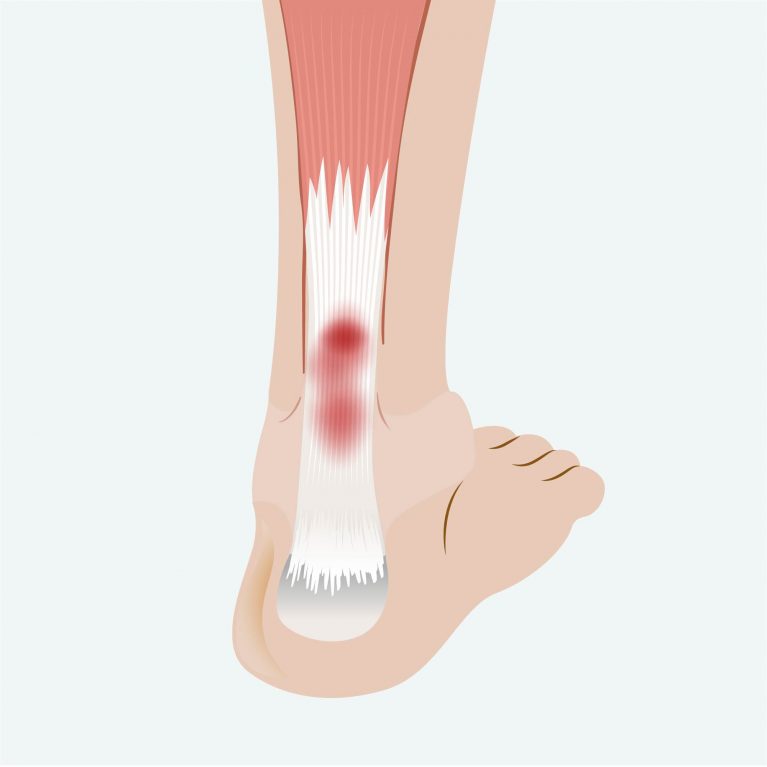
Tendonitis problems can be caused by repetitive movements, for example, running, heavy lifting, or repetitive keyboard usage. Certain professions and recreational sports can make these conditions worse or more likely. The cause and severity of the issue will affect how long it takes for the tendon to recover. Chronic cases may never fully heal without specific treatments.
Mesenchymal stem cells (MSCs) have the ability to become tendon cells, and also to secrete cytokines, which act as chemical messengers to other cells. A study published in 2020 stated: “Stem cells, tissue engineering, and growth factors are new strategies for tendon repair and regeneration. MSCs not only can differentiate in tendon cells, but also secrete several cytokines that modulate inflammation and tissue healing.”
[2]


WHAT ARE STEM CELLS?
Stem cells are special types of cell that occur naturally within the body. They have the ability to replicate themselves or develop into different types of cells through a process known as differentiation.
Hence stem cells have the potential to become new cells in order to perform specific functions. For example, they can differentiate to become blood cells or other types of cell that are active within the immune system. This process enables stem cells not only to play a unique role in the body’s ability to heal itself, but also to encourage the growth of healthy tissue.
HOW ARE STEM CELLS USED IN MEDICINE?
Whilst stem cell therapy is relatively new, stem cells have been the subject of over 40 years of research and there have been a large number of clinical trails. A limited number of treatments for certain medical conditions are now available in the UK.
When used for medical purposes, research suggests stem cells can accelerate tissue repair, stimulate tissue regeneration, decrease inflammation, and stimulate new blood vessel growth.
WHAT TREATMENTS ARE THERE FOR CONDITIONS OF THE TENDONS?
There are a number of treatments available for tendon issues, which your doctor can advise you upon. It may be possible treat acute injuries of the tendon in the first instance through RICE (rest, ice-covered towel, compression and elevation).
However, chronic tendon problems can be difficult to heal without specific treatment, which can vary subject to the precise nature of the issue. Established treatments include steroids, NSAIDs (non steroidal anti-inflammatory drugs), or in severe cases surgery.
Research suggests that stem cell therapies may also play an important role in the future treatment of tedinopathy and tendon injuries. Where doctors are in agreement, stem cell treatments may potentially be considered for a small number of patients.
CAN I HAVE STEM CELL THERAPY?
Stem cell therapy may be considered for people who require an alternative approach to established procedures. It may be suitable for patients aged 18 to 75 or children in special circumstances, whose condition is stable enough to undergo treatment.
The first stage is to book a consultation with a qualified medical practitioner, who will assess your medical history in order to potentially make a pre-approval application. A multi-disciplinary panel of experts will then consider your application.
If you application is approved, you will then be invited undergo a full health screening and detailed tests to ensure stem cell treatment is an appropriate approach for you. Provided you pass the assessment criteria, you may then begin treatment.
WHAT DOES TREATMENT INVOLVE?
Patients generally require a preparation period that may involve a number of procedures to ensure your regenerative system is at its most receptive. The stem cells can typically then be injected into the body, which depending on the nature of your condition can either be done by intra-tissue injection.
WHERE DO THE STEM CELLS COME FROM?
The stem cells may be either ‘autologous’ or ‘allogeneic’. Autologous stem cells are processed after being harvested from tissue from the patient’s own body, whereas allogeneic stem cells are cultured in a laboratory from a donated source. In our clinics we only use ‘Autologous’ tissue- derived cells. ‘Allogeneic’ cells are currently used for research purposes, or by the NHS for bone marrow transplantation.
HOW ARE STEM CELLS REGULATED?
Stem cell therapies are classed as nouvelle treatments or ‘specials’, which are a permissible category of medicines that are available to meet the clinical needs of an individual patient.
The progress of stem cell patients is carefully monitored and the treating team have a regulatory duty to report any relevant findings to the responsible research NHS Body, with a view to stem cell therapy becoming a standardised licensed treatment in the future.
Can’t find the answer you’re looking for?
Click here to ask us your question.
ABOUT DR KHAN AND DR TEE
The Cellular & Regenerative practice in Harley Street was co-founded by Dr Aamer Khan, author of the forthcoming book, ‘Aesthetic Treatments in Regenerative Medicine: Stem Cells, Stromal Vascular Fraction, Platelet Rich Plasma, and Platelet Rich Fibrin.’
Dr Aamer Khan
Qualifying as a Doctor at the University of Birmingham in 1986 with an MB ChB (Bachelor of Medicine, Bachelor of Surgery), Dr Khan completed his postgraduate training in University Hospitals Birmingham. He spent 24 years working within the NHS, including many years in General Practice in a community with the largest proportion of elderly population in the UK. This led to his passion to study cellular and regenerative medicine, and develop an integrative approach to his medical practice.
As part of his cellular and regenerative interest, Dr. Khan’s Clinic, was one of the first to work with Cytori Stem Cell Technologies in 2008. In 2010, he retired from the NHS to refine protocols at the Harley Street Skin Clinic, and develop his integrative medical practice and the Cellular + Regenerative clinic.
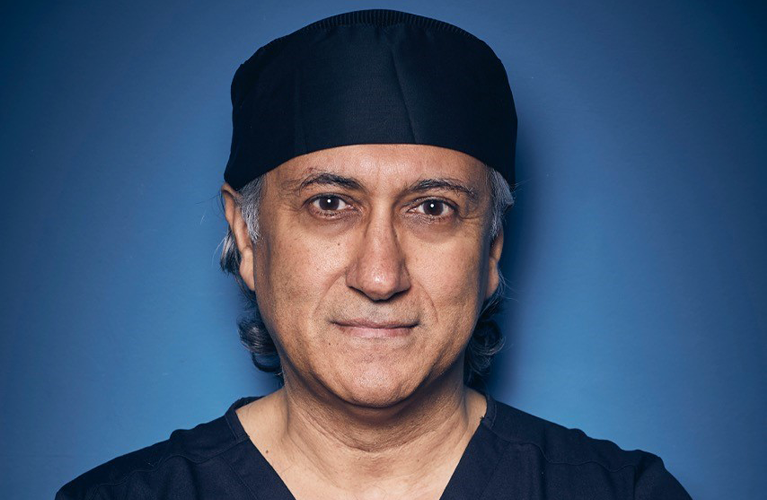
Dr Mike Tee
Dr Mike Tee MB, BChir, BSc (Hons), DLO, DRCOG, MRCGP, is a Cambridge medical graduate, and has over 25 years of experience in the medical profession. Dr Tee is well regarded as an expert in Dermal Fillers, PRP, Thread Lifts, Mole Removal & dermatological minor surgery. Dr. Tee has worked very closely with Dr. Khan and developed a wealth of knowledge and expertise in integrative and regenerative medicine.

Sources
1 – Stem cell technology for tendon regeneration: current status,
challenges, and future research directions
https://www.ncbi.nlm.nih.gov/pmc/articles/PMC4685888/
2 – Progress with stem cell therapies for tendon tissue regeneration
https://pubmed.ncbi.nlm.nih.gov/32574078/
NHS: Tendonitis
https://www.nhs.uk/conditions/tendonitis/
Healthline: Understanding Tendinopathy
https://www.healthline.com/health/tendinopathy