
Angel PRP FAT Transfer
ANGEL PRP FACIAL REJUVENATION IN LONDON
With a proven track record in regenerative treatments, you’re in safe hands.
The way that we look and feel can have a huge impact on our wellbeing. Many people today therefore seek out regenerative treatments that aim to rejuvenate the tissues of the face or body.
Angel PRP Facial Rejuvenation is a procedure that aims to restore youth and radiance to the face by making use of biological products that are prepared from the patient’s own blood. PRP stands for Platelet Rich Plasma: a natural resource that is widely used for aesthetic procedures on the beauty circuit.
The use of PRP-based preparations has also shown promising results in some clinical settings, especially in the field of dermatology, dentistry, ophthalmology, orthopaedics, and other uses.
What Does It Involve?
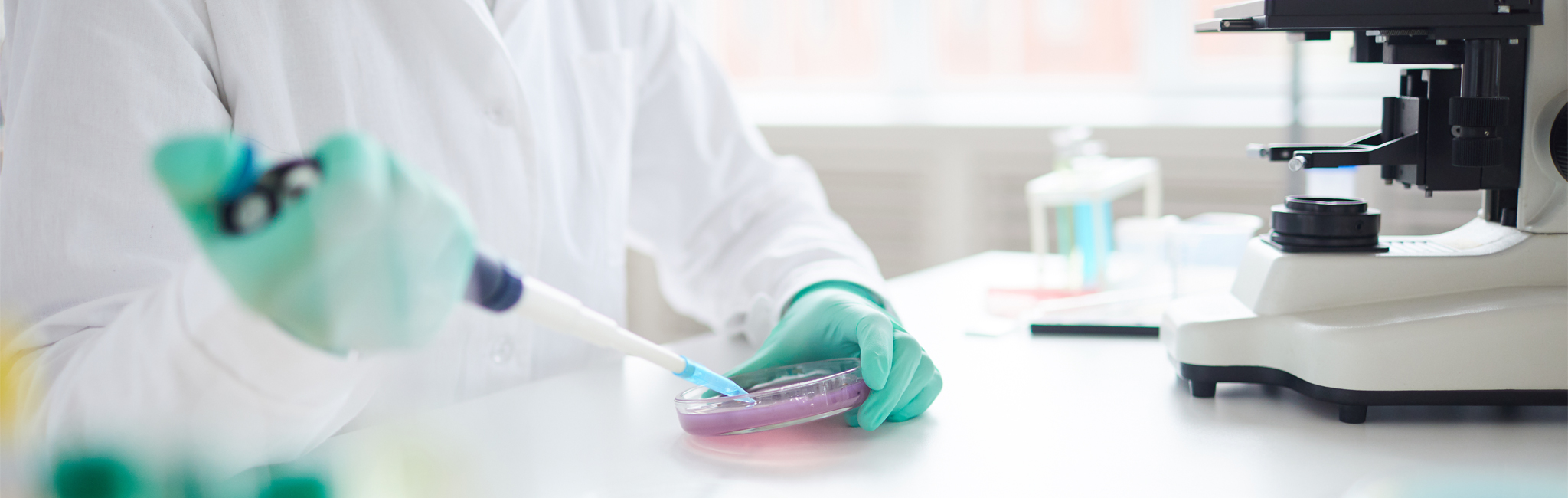
PRP-assisted treatments work by isolating cellular material in the blood that helps the body with rapid healing, cell multiplication and regeneration. When PRP is combined with harvested fat, the body typically accepts it with ease. PRP-assisted transfers also work to encourage the body to produce more collagen proteins, in order to make the treated area appear firmer, smoother and more youthful than if injected with just fat alone.
The procedure begins by using a small cannula to harvest fat from an area of the body decided upon in consultation with a clinician – this is known as the ‘donor site’. At the same time, blood is drawn from the arm and processed through the Angel system: a special centrifuge that spins rapidly to separate the blood into various layers. Typically, only around 120 cc’s of blood is taken (the same amount as is usually drawn during a standard blood test) although this can vary depending on area size.
What are the benefits?
Fat Transfers can potentially deliver a range of benefits, from helping to correct a lopsided bust to improving scarring; restoring fullness to the face, or adding shapeliness to the body. When delivered in conjunction with PRP, it also seeks to bolster the vitality of the skin by drawing on the body’s natural healing responses. The PRP contains platelets and other blood cells with regenerative properties; hence the procedure aims to deliver a natural-looking appearance.


DR KHAN SAYS
“With human longevity improving, we can now study how a regenerative approach can impact positively on our quality of life, not just while we are young, but also during our later years.”
DR TEE SAYS
“Regenerative approaches and associated procedures remain a developing field that offers great promise for continued progress and innovation.”

Is this treatment right for me?
At the Cellular & Regeneration practice in Harley Street we fully assess every patient in advance to ensure that any treatment that they may receive is appropriate for their needs. However, regenerative procedures are generally suitable for most people of stable health, subject to their being no underlying complications.
Are there other uses for PRP?
PRP is continuously studied for its regenerative benefit in wound healing, sports medicine and chronic pain treatment. Therapeutic applications potentially also include several methods for its clinical deployment in conditions related to aesthetic and regenerative medicine such as hair restoration, hand rejuvenation, breast augmentation, and musculoskeletal regeneration.
A study published in 2019 concluded: “PRP treatment has shown itself as a bright future for a safe and efficient cosmetic intervention. However, more studies are needed to better our understanding of limitations and benefits in clinical phases associated with the aesthetic use of PRP.” [2]
Why is fat used for transfers?
Fatty tissue – also known as adipose tissue – is a natural resource. Not only can it make good biological filler, but research has also shown that adipose tissue can be a rich repository of regenerative cells. Whilst we all know that excess fat can be harmful, healthy levels of adipose tissue help to store energy and cushion vital organs.
A study published in 2020 concluded: “Fat has played a critical role in basic survival and function throughout the history of human evolution. Now, through evolving the role of fat, humankind may unlock critical answers that assist in novel therapeutic approaches to age-old human diseases; as well as those brought upon ourselves by the evolution of the modern lifestyle.” [1]
Can’t find the answer you’re looking for?
Click here to ask us your question.
ABOUT DR KHAN AND DR TEE
The Cellular & Regeneration practice in Harley Street was co-founded by Dr Aamer Khan, author of the forthcoming book, ‘Aesthetic Treatments in Regenerative Medicine: Stem Cells, Stromal Vascular Fraction, Platelet Rich Plasma, and Platelet Rich Fibrin.’
Dr Khan is also co-founder of our sister-practice, The Harley Street Skin Clinic
Dr Aamer Khan
Qualifying as a doctor at the University of Birmingham in 1986 with an MB ChB (Bachelor of Medicine, Bachelor of Surgery), Dr Khan completed his postgraduate training in University Hospitals Birmingham. He spent 24 years working within the NHS, including many years in General Practice. In 2010, he retired from the NHS to refine protocols at the Harley Street Skin Clinic.
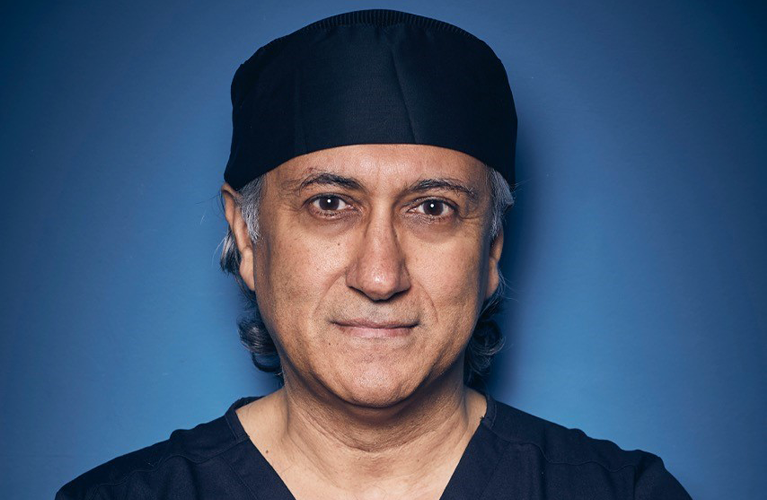
Dr Mike Tee
Dr Mike Tee MB, BChir, BSc (Hons), DLO, DRCOG, MRCGP, is a Cambridge medical grad and has racked up over 25 years of experience in the medical profession. Dr Tee is well regarded as an expert in Dermal Fillers, PRP, Thread Lifts, Mole Removal & dermatological minor surgery.

SOURCES
[1] – Ramaswamy Reddy SH, Reddy R, Babu NC, Ashok GN. Stem-cell therapy and platelet-rich plasma in regenerative medicines: A review on pros and cons of the technologies. J Oral Maxillofac Pathol. 2018;22(3):367-374. doi:10.4103/jomfp.JOMFP_93_18
https://www.ncbi.nlm.nih.gov/pmc/articles/PMC6306612/
2- Samadi, P., Sheykhhasan, M. & Khoshinani, H.M. The Use of Platelet-Rich Plasma in Aesthetic and Regenerative Medicine: A Comprehensive Review. Aesth Plast Surg 43, 803–814 (2019). https://doi.org/10.1007/s00266-018-1293-9
https://link.springer.com/article/10.1007%2Fs00266-018-1293-9